English

dnata advances fleet modernisation in Italy with four new electric buses
- Over €30 million invested in more than 550 advanced ground support equipment across three airports since 2024
- More than 60% of dnata’s Italian fleet is now electric
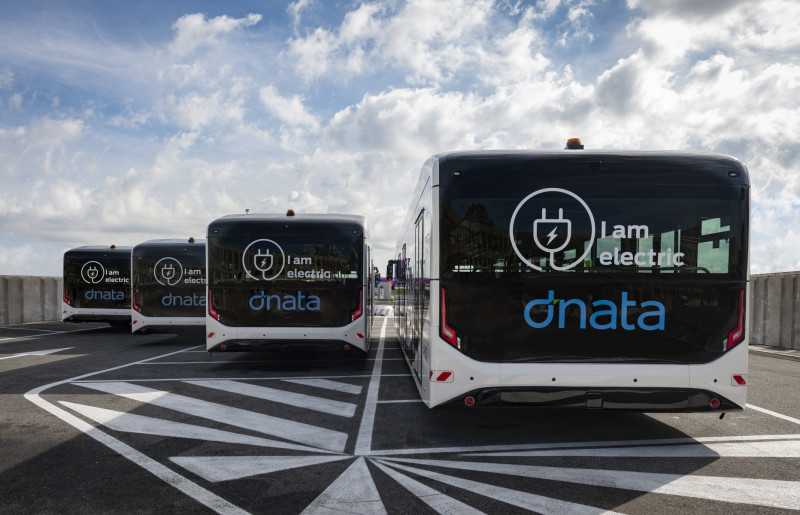
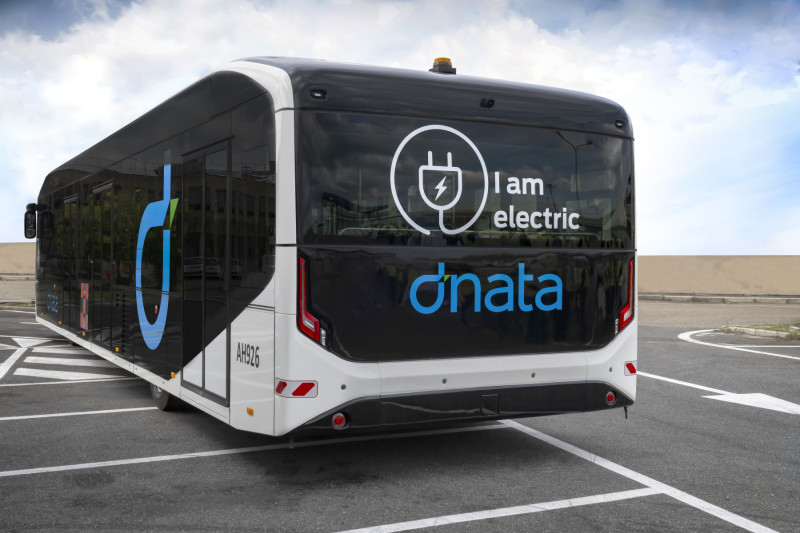
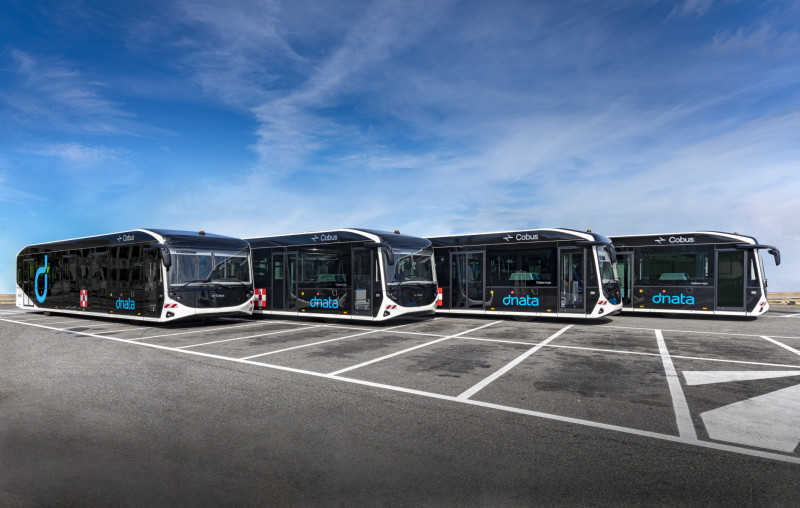
Rome, Italy, 30 October 2026: dnata, a leading global air and travel services provider, is expanding its passenger transport fleet at Rome Fiumicino Airport (FCO) with four fully electric buses, expected to enter service by mid-November.
The addition builds on over €30 million invested in fleet modernisation across dnata’s Italian ground handling operations over the past three years. During this period, the company has introduced more than 550 ground support equipment (GSE) units across Rome Fiumicino (FCO), Milan Malpensa (MXP) and Milan Linate (LIN), helping meet growing operational requirements while enhancing safety, efficiency and service quality.
The equipment introduced includes baggage tractors, passenger boarding steps, conveyor belts, aircraft loaders, pushback tractors and passenger buses. In total, dnata operates more than 1,000 motorised ground support equipment units across Italy, with over 60% of the fleet now electric.
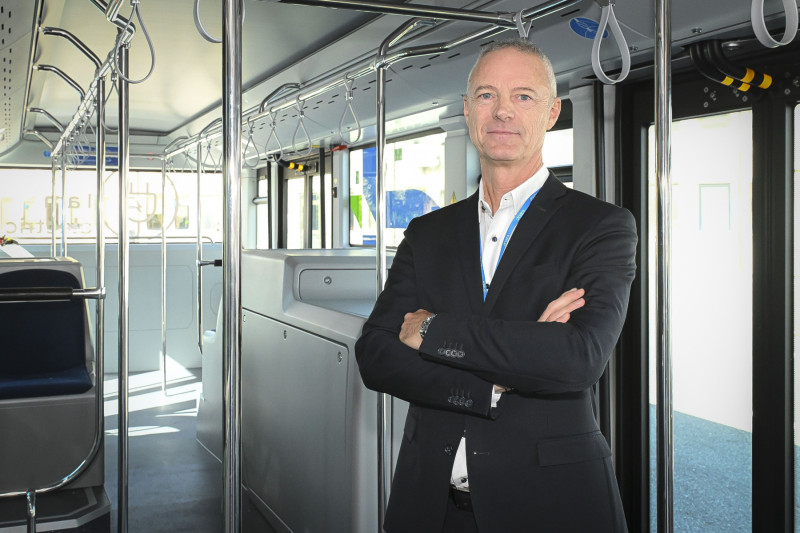
“We are continuing to invest in the future of our operations in Italy,” said Alberto Morosi, CEO of dnata Airport Operations Italy. “
“These new electric buses will help us deliver a better service for our airline customers and passengers, while giving our people safer, more capable equipment to work with. They are part of our wider investment in Italy to improve operational efficiency and reduce our environmental impact, working closely with our airport and airline partners.”
Enhancing passenger transportation
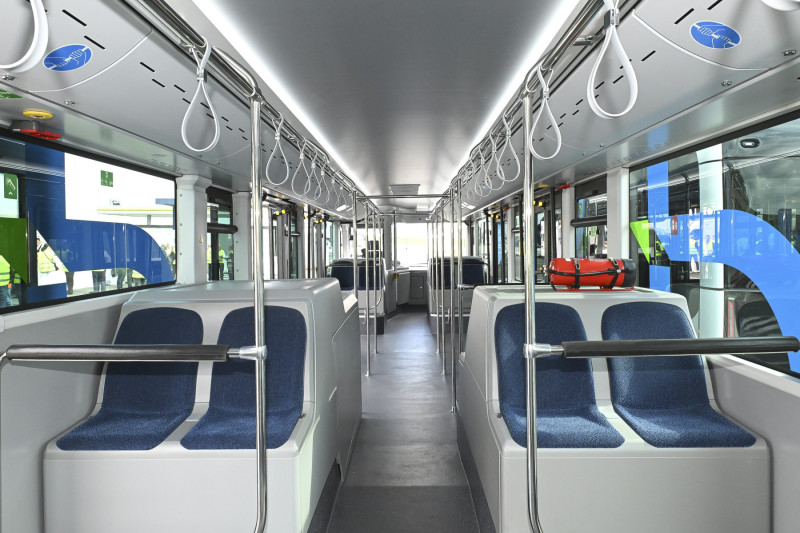
Developed by airport bus manufacturer Cobus, the VEGA model is purpose-designed for fully electric apron operations. dnata will be the first ground handler to deploy the model, expanding its Fiumicino fleet of 40 buses, 23 of which are electric.
The four buses will transport passengers between terminals and aircraft. They offer higher passenger capacity than standard airport buses, helping to manage apron transfers more efficiently and contribute to smooth aircraft turnaround operations. Improved climate-control systems enhance passenger comfort, while redesigned access doors facilitate faster boarding and disembarkation.
Advanced battery technology supports reliable electric operation, with no tailpipe emissions during use. Drivers and operational teams will complete dedicated training to ensure the safe and effective integration of the vehicles into daily operations.
Modernising the wider fleet
Beyond passenger transportation, dnata’s investment covers equipment supporting baggage and cargo handling, aircraft servicing and movement on the ground. Newer equipment incorporates enhanced safety technologies, including systems that assist drivers when manoeuvring vehicles and approaching aircraft. Equipment specifications are aligned with relevant industry standards, supporting safe and consistent service delivery.
The electric share of dnata’s Italian fleet has increased gradually in recent years. Where full electrification is not yet operationally feasible, dnata has progressively converted diesel-powered equipment to run on Hydrotreated Vegetable Oil (HVO), a renewable alternative to conventional diesel that helps reduce greenhouse gas emissions.
The company continues to work closely with airport partners to support further electrification, aligning equipment deployment with operational requirements and the availability of charging infrastructure.
Supporting operations across Rome and Milan
Across Rome Fiumicino, Milan Malpensa and Milan Linate, dnata employs approximately 5,000 people and serves more than 60 airline customers. Its teams provide passenger, ramp, baggage and cargo ramp services, handling more than 150,000 flights, 46 million passengers and almost 18 million bags annually.
The fleet modernisation programme reflects dnata’s long-term commitment to Italy, strengthening its capabilities across three of the country’s major airports.